 Cape Town City Guide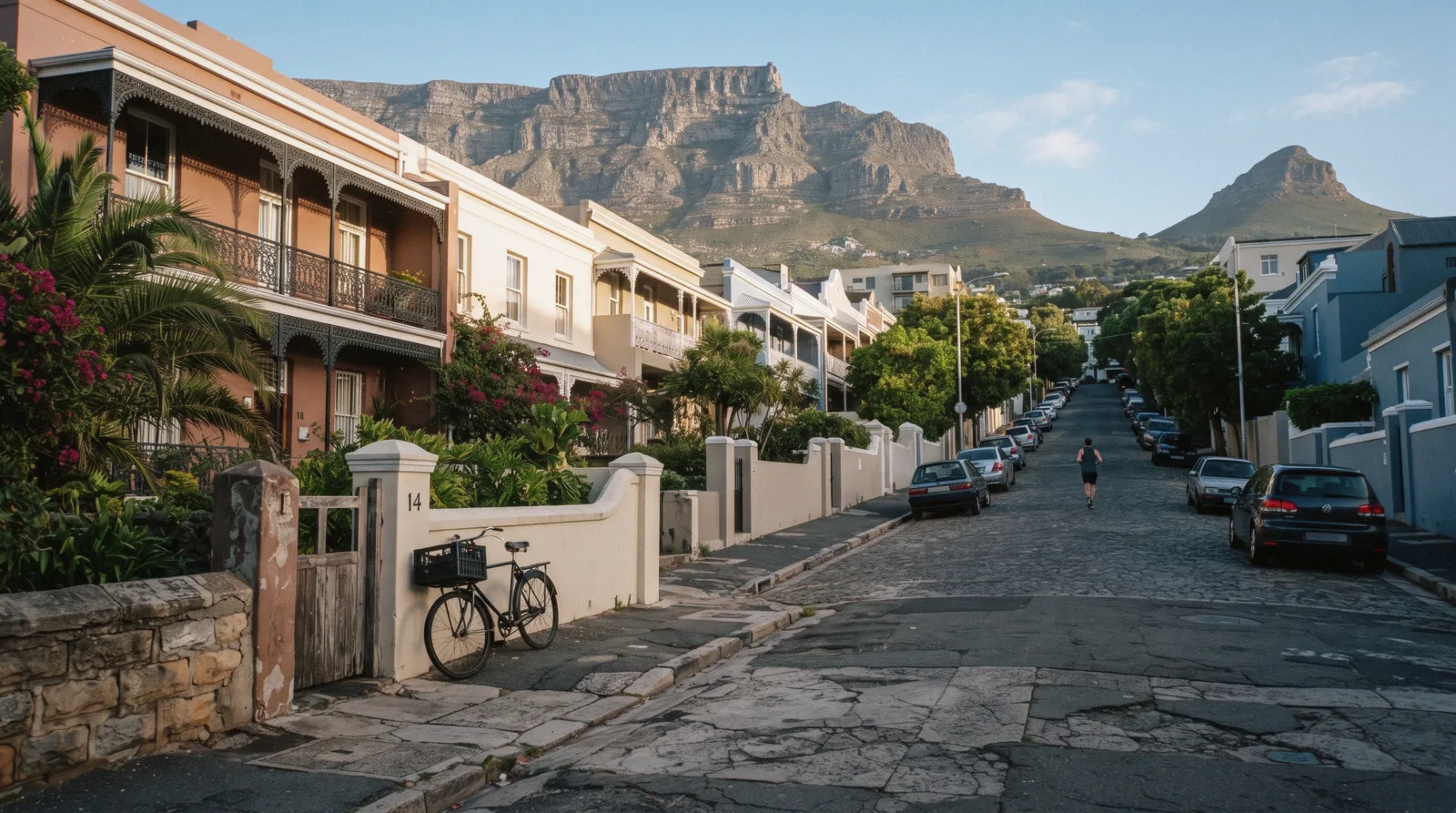
Where to Stay in Cape Town
Deciding where to stay in Cape Town is really one table and three honest paragraphs: who each area suits, how walkable it is, what transport reaches it and which side of the mountain sees the sunset. This page - the sleeping half of the Cape Town city guide - compares every area worth booking, explains the December squeeze, and opens a live rate search per area instead of printing numbers that would be stale by your dates.
Quick answer The decision in three lines, then the table
First visit: stay in the City Bowl (Gardens side) to walk to the museums and tours, or Green Point to sit between the harbour and the beaches on flat ground. Beach-first holiday: Camps Bay buys the sunset at a price, Sea Point buys walkable seafront life for less. Character: De Waterkant's cottage lanes. Book November-March early - the mid-December to early-January block goes first - and treat "is it safe" as a habits question, not an area question.
Key takeaways
- The full comparison table puts every area side by side - who it suits, walkability, transport, and which side of the mountain sees the sunset - and each name links to that area's own honest page.
- Undecided? Spend the first day on the 48-hour hop-on hop-off loop at $33 - it passes every area on this page and settles the question faster than any listicle.
- The sightseeing version of this decision - where to spend days rather than nights - is the neighbourhoods router, and the whole-trip logistics live on getting around Cape Town.
Every area compared: suits, walkability, transport, sunset
Our verdicts after building a full page per area - each first column links to it, and every hour and price behind these judgements is sourced there. "Sunset side" matters here more than most cities: the Atlantic seaboard faces the setting sun; the bowl sits behind Signal Hill's shadow by evening.
| Area | Who it suits | Walkability | Transport | Sunset or sunrise side |
|---|---|---|---|---|
| City Bowl - Gardens | First-timers, museum-goers, tour-takers | Best in the city - museums, Kloof Street and pickups on foot | Hub of every bus route and tour departure | Neither - the mountain takes the late sun; evening glow on Table Mountain instead |
| V&A Waterfront | Comfort-first stays, families, one-base convenience | Everything inside the precinct; the city beyond needs wheels | Gated, patrolled, taxis at the door | Harbour sunsets over Table Bay - genuinely good |
| Green Point & Mouille Point | The sensible compromise - city one way, sea the other | Flat everywhere; Waterfront 15-20 minutes on foot | MyCiTi 108/109 through the quarter | Sunset over the ocean from the seafront lawns |
| Sea Point | Longer stays, promenade mornings, eat-local evenings | Flat and genuinely lived-in - restaurants at street level | Same seaboard buses; 15 minutes to town by e-hail | Sunset side, all of it |
| Camps Bay & Clifton | Couples and beach-first holidays paying for the view | The strip walks; everything else is a drive | MyCiTi 106/107/108, thin at night - budget for e-hails | The sunset side - it is the whole point |
| De Waterkant | Design-minded couples, LGBTQ+ travellers, character-first stays | Cottage lanes; harbour and bowl both walkable | On foot to most things; e-hail for the rest | Neither - harbour views from the upper lanes |
| Muizenberg & Kalk Bay | Surfers, slow travellers, second visits | Village-walkable; the city is 40-60 minutes away | Car or e-hail; the train is scenic but unreliable | Sunrise side - False Bay mornings are the show |
Areas deliberately absent: Long Street rooms (for nightlife stamina only), and the townships (visited on guided tours, not booked as visitor bases). The same areas as sightseeing rather than sleeping are ranked on the neighbourhoods page.
Bookings that make the base question easier
The orientation loop, the city pass that rewards a central base, and the evening cruise that works from any seaboard address. Prices as listed in Q3 2026.
 from $33
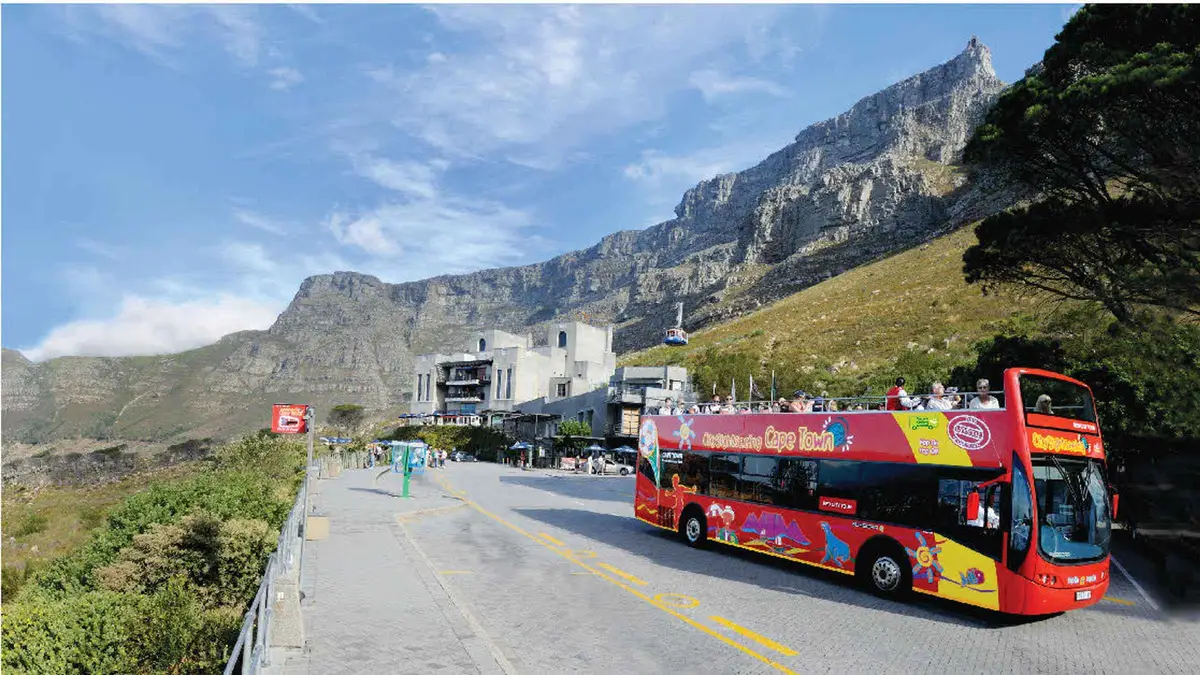
Cape Town: Hop-On Hop-Off Bus Tour with Optional Cruise
48 hours of open-top bus across the city routes with commentary in 15 languages, onboard Wi-Fi and a free walking tour. It moves you between sights — their entry fees stay separate.
Check Availability from $124
Cape Town City Pass: Save Over 50% on 80+ Top Attractions
Digital pass covering 80+ attractions plus the sightseeing bus for 1-5 consecutive days. The break-even maths beats single tickets from about the third paid sight — count your shortlist first.
Check Availability from $40.49
Cape Town: Sunset Catamaran Cruise on Table Bay with Bubbles
90-minute sunset sail on Table Bay with two glasses of bubbly and Table Mountain behind you — the cheapest of the sunset cruises compared here here. Boats can be swapped in high wind.
Check AvailabilityPrices, ratings and details are the platform's own, checked in Q3 2026; dollar figures are the listed prices — the platform bills in your account's currency.
The first-timer answer, argued
If this is visit one and the list includes Table Mountain, Robben Island, the museums and a day trip or two, base where the logistics already are: the City Bowl, Gardens side. Every tour on this site picks up in or near it, the museum mile is on foot, Kloof Street feeds you nightly, and the cableway road is minutes away. Its true cost is atmosphere after dark - the grid empties, and your evenings live on the bowl's western streets or a short e-hail away.
The equal-strength alternative is Green Point: flat, quiet, the Waterfront walkable, the seaboard buses through the middle, and generally better value than the precinct or the beach strip. Between the two, choose by evening temperament - Kloof Street's buzz versus a seafront stroll past the lighthouse. Both put you fifteen minutes from everything the first-timer's week actually contains, which no beach-suburb base can say.
The December-January squeeze: booking pressure, honestly
Cape Town's high season is the southern summer, November to March, and inside it sits a harder core: the South African school holidays and public-holiday cluster from mid-December (the Day of Reconciliation on 16 December, then Christmas and New Year) into early January, when domestic and international demand land on the same beds at once. The practical consequences, without invented statistics: the seaboard's small guesthouses and the character stays in De Waterkant are contested months ahead for those dates, prices peak city-wide, and the walk-in bargain does not exist. If your dates are fixed in that window, book the bed before the flights feel real.
The relief valves: the City Bowl's larger hotels hold inventory longest, the southern line stays bookable when the beach suburbs are full, and February-March deliver the same summer with measurably less pressure - and less wind: the southeaster that blows on 51-58% of high-summer days eases from March. Shoulder-season detail is on best time to visit Cape Town.
"Is it safe there?" - the normalcy framing
Every area on this page hosts thousands of visitors nightly without incident, and none of them suspends the ordinary rules of a big city. The question that actually separates bases is not "safe or unsafe" but "what do evenings look like": the seafront quarters keep people and light on the streets late; the CBD grid empties after office hours, so a bowl base means e-hailing home from dinner rather than strolling; small-lane quarters are quiet by 22:30. Choose for the evening pattern you want, then apply the same habits everywhere - lit streets, phone pocketed, Uber or Bolt (both operate officially) for anything late or empty.
The infrastructure behind the calm: the city centre runs 317 CCID public safety officers around the clock with a 24-hour control centre on 082 415 7127, figures read from the CCID in Q3 2026. Accommodation everywhere is used to the questions - ask your host which corner to avoid and they will tell you precisely. The full sourced picture is on the safety page; it is calmer reading than the search results that brought you here.
The car question changes the answer
With a car, the map opens: the southern line's village bases become practical, Camps Bay stops being taxi-dependent, and the peninsula and Winelands day trips run on your own clock - at the cost of parking (street bays with marshals in the centre, arranged bays at guesthouses) and one honest warning: Chapman's Peak Drive closes for rockfall without notice, so never build a day around it unchecked.
Without a car - most first visits - weight walkability and the bus corridor heavily: the bowl, Green Point and Sea Point are the three bases where carlessness costs nothing, because tours collect from them and MyCiTi covers the coast. Every peninsula sight on this site is reachable by guided day tour with hotel pickup, which is precisely how most visitors do them; the fare-card mechanics and airport transfer options live on getting around and airport to city.
Sunset side, sunrise side: the mountain decides your evenings
One quirk worth a paragraph before you book. Cape Town wraps a mountain, so areas do not share a sky: the Atlantic seaboard - Green Point round to Camps Bay - faces west and gets the ocean sunset every clear evening, which is why its lawns fill at 19:00 in summer. The City Bowl faces the harbour and loses the low sun behind Signal Hill; its compensation is the evening light show on Table Mountain's face and the sunset viewpoints ten minutes uphill - Signal Hill and Lion's Head exist for exactly this. False Bay's villages get the opposite gift: sunrise over the water and soft pink mountain evenings.
If a daily sunset ritual is the holiday, that settles the seaboard question by itself; if you would rather chase the view twice than pay for it nightly, the bowl plus a sunset catamaran evening at $40.49 delivers the postcard on demand.
Search live rates by area
Each card opens a live hotel search pinned to that area - we print no rate bands because Cape Town's prices swing hard between May and December, and a number read in Q3 2026 would mislead you by your travel dates. The area names link to our full pages.
Gardens & City Bowl
- Walking reach
- Museums, Kloof Street and tour pickups on foot
- Suits
- First visits, walkers, museum mornings
The logistics base. Evenings live on the western streets; e-hail home from dinner across the grid.
See stays in GardensV&A Waterfront
- Walking reach
- The whole precinct, aquarium to ferry
- Suits
- Families, comfort-first stays, single-base trips
Gated convenience at the city's top prices; the rest of town needs wheels from here.
See stays in the WaterfrontGreen Point & Mouille Point
- Walking reach
- Waterfront 15-20 minutes; park and seafront at the door
- Suits
- The compromise this site keeps recommending
Flat, quiet, connected both ways. Check the stadium fixture list - event nights transform the quarter.
See stays in Green PointSea Point
- Walking reach
- The promenade and Main Road's restaurants at street level
- Suits
- Longer stays, self-caterers, promenade runners
The most lived-in visitor quarter - better value than the beach strip, with the seafront as your front garden.
See stays in Sea PointCamps Bay
- Walking reach
- The beach and the strip; nothing else
- Suits
- Couples, sunset-first holidays
The view is the product. Budget the nightly e-hails to town into the room rate, and book the December window months out.
See stays in Camps BayDe Waterkant
- Walking reach
- Harbour 15 minutes, bowl 10 - both flat
- Suits
- Design-minded couples, LGBTQ+ travellers
Boutique cottages in tiny supply - the first area to sell out for December. Inner-lane rooms sleep quieter than the Somerset Road side.
See stays in De WaterkantMuizenberg & the southern line
- Walking reach
- Beach, surf schools and the village on foot
- Suits
- Surfers, slow second visits, budget-stretchers
Warm-water mornings and village prices, 40-60 minutes from the centre - a base for a False Bay trip, not a city one.
See stays in MuizenbergWe take a commission if you book through these links, at no extra cost to you. Official area pages linked above carry the sourced hours and prices behind every verdict on this page.
The rest of the decision
The areas as sightseeing
The same map argued for days rather than nights, with the pin map and area guides: the neighbourhoods page.
The daytime versionWhen to come
Season by season with the ERA5 climate numbers - and why February beats December: best time to visit Cape Town.
The calendar versionWhat everything costs
A trip budget in rand and dollars, from museum tickets to tips: Cape Town trip costs.
The budget versionWhere to stay: questions
What is the best area to stay in Cape Town for first-timers?
The City Bowl's Gardens side or Green Point - the two bases where museums, tours, buses and restaurants are all within fifteen minutes, argued in full above. Beach suburbs are wonderful to visit and expensive to commute from on a first, sight-heavy trip.
Which area of Cape Town is considered safest to stay in?
The busy, populated quarters - the seafront strip from Green Point through Sea Point, the Waterfront precinct, the Gardens slopes - feel easiest because people and light stay on the streets late. But the honest answer is that habits beat postcodes everywhere: lit streets, e-hails at night, host's local advice. Sources and specifics on the safety page.
Are there areas to avoid staying in?
Rather than a blacklist: avoid mismatches. Long Street rooms unless you want its nightlife through the floor; the CBD's eastern office grid if you expect evening street life; beach suburbs if you have no car and a heavy sightseeing list. Every area on the table works when its trade-offs match your trip.
Where should families with kids stay?
Green Point for the park, playground and flat seafront - the most pram-friendly ground in the city - or the Waterfront for everything inside one gated precinct. The kid-by-kid breakdown of the city's activities is on Cape Town with kids.
Can you stay in Cape Town without a car?
Comfortably, from the right base: the bowl, Green Point or Sea Point put tours with hotel pickup, MyCiTi buses and e-hails within reach of everything on this site. The bases that quietly assume a car are Camps Bay after dark and the False Bay villages; the mechanics live on getting around Cape Town.
How far ahead should you book for December?
For the mid-December to early-January block, months - the small seaboard guesthouses and De Waterkant's cottages go first, and walk-in bargains do not exist in that window. February and March buy the same summer with less pressure and less wind.
The Decision on Video
Three area-by-area verdicts filmed on the ground - watch them against the table above and the answer usually settles itself.
Where to Stay in Cape Town: Best Neighborhoods for Every Traveler
The traveller-type framing this page uses - matched area by area.
Video: MIKE ON THE MOVEBest Areas to Stay in & around Cape Town
The wider map including the southern line bases, budget angles included.
Video: THE POOR TRAVELERWhere to Stay in Cape Town - 5 Best Areas in 2 Minutes
The two-minute version of this page's table, for cross-checking your shortlist.
Video: Hannah StephensonVideos load from YouTube only when you press play.
Reviewed Q3 2026 (July–September 2026); next review Q4 2026. Prices, hours and terms are set by the venue or operator and confirmed at checkout.
We may earn a commission if you book through one of our links, at no extra cost to you. Full affiliate disclosure