 Cape Town City Guide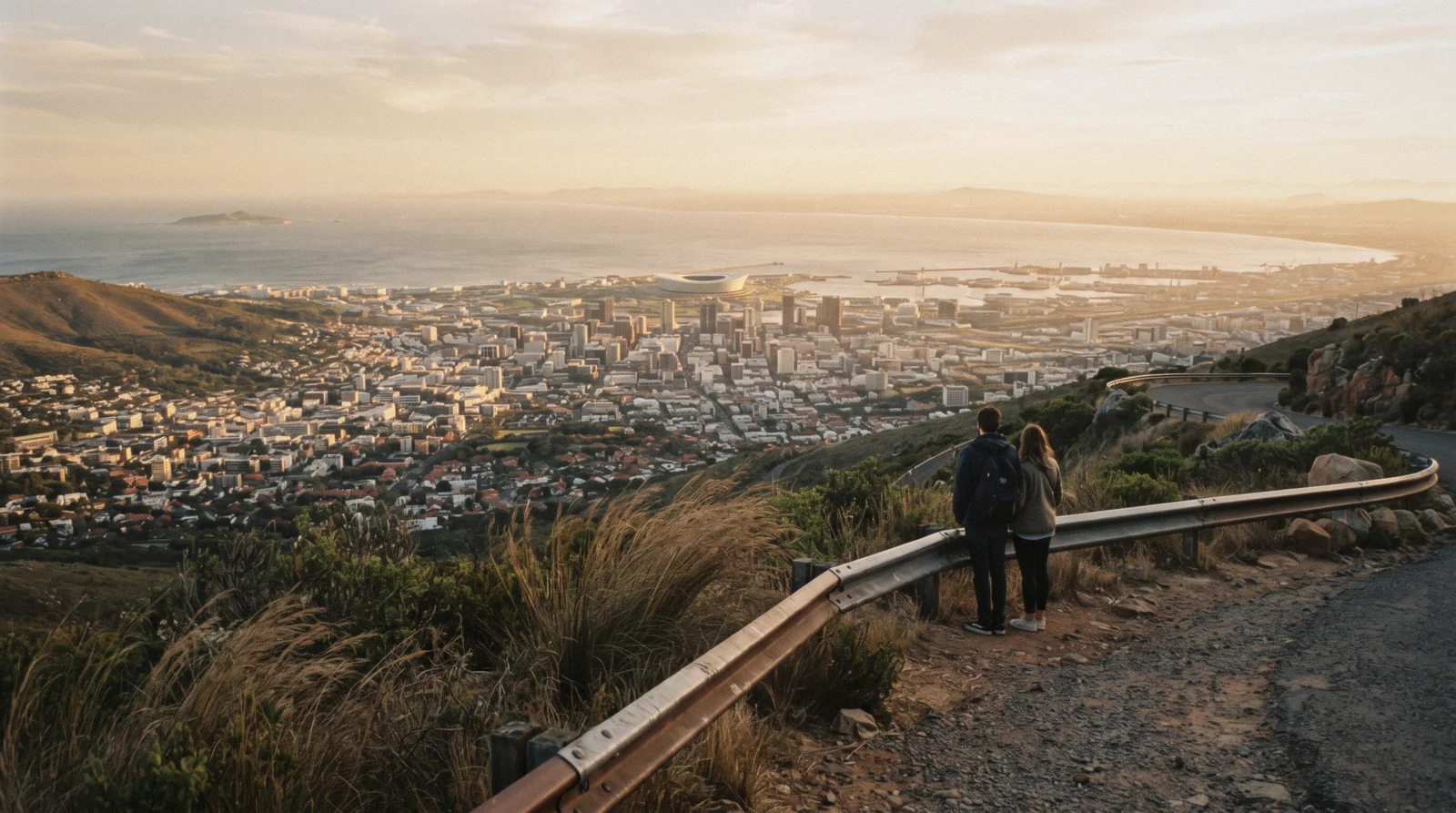
Cape Town Neighborhoods
Cape Town neighborhoods sort themselves into four zones around one mountain - the City Bowl, the Atlantic seaboard, the old quarters on Signal Hill's slope and the False Bay southern line - and each zone below links to a full area page with its own map and sourced facts. This is the router of the Cape Town city guide: use it to decide where your days go, and its sibling page to decide your nights.
Quick answer How the city is laid out, and which areas earn your time
Cape Town's visitor geography is four zones around one mountain: the City Bowl (the centre and its museums), the Atlantic seaboard (Green Point to Camps Bay - sunset beaches and promenade), the old painted quarters on Signal Hill's slope, and the southern line down False Bay to the penguins and the surf. Each area below links to a full page with its own map, table and honest verdict; this page is the router.
Key takeaways
- First visit, short stay: base in the City Bowl or Green Point and day-trip the rest - the where-to-sleep version of this page, with a comparison table, is where to stay in Cape Town.
- The 48-hour hop-on hop-off bus at $33 is the cheap way to see five of these areas in one loop before committing your beach day to any of them.
- Two areas deserve a guide, not just a stroll: the painted quarter on the slope - take the Bo-Kaap walking tour at $40.49 - and the townships, which are a separate guided half-day and a different story entirely.
The areas at a glance
Our own reading of the city's zones after building a page for each - times are walking or transit figures from the area pages, where every number carries its source. Follow the links for hours, prices and the honest caveats.
| Area | Feels like | Best for | Getting there | The catch |
|---|---|---|---|---|
| City Bowl | A working centre under a flat-topped wall of rock | Museums, walking tours, first-timer basing, Kloof Street dinners | You are already there - everything else radiates from it | The office grid empties after dark; evenings live on its western side |
| Green Point & Mouille Point | Flat, seafront, sensible | Basing between harbour and beaches; the free urban park; runners | MyCiTi 108/109 through it; Waterfront 15-20 minutes on foot | No headline sight of its own - which is rather the point |
| Sea Point | The city's shared front garden | The seafront walk, tidal pools, street-level restaurant life | Same 108/109 buses; flat walking from Green Point | The beach itself is stony - the sand is further down the coast |
| Clifton | Four white coves in a granite frame | Wind-sheltered beach afternoons and sunset from the boulders | MyCiTi 108 stops above 2nd, 3rd and 4th | Stairs-only access and nothing sold on the sand |
| Camps Bay | The postcard, with a drinks menu | Sunset on the strip, the tidal pool, Theatre on the Bay | MyCiTi 106/107 over Kloof Nek, about 41 minutes | Cold water, summer wind, and season prices to match the view |
| De Waterkant | A restored village polished for pleasure | Boutique stays, design shopping, the flat walk to the harbour | On foot from the bowl or the Waterfront | Somerset Road is loud on weekend nights |
| Bo-Kaap | A living painted quarter with 250 years of history | The museum, the guided walk, morning photographs taken politely | 10 minutes uphill from the centre's squares | It is a residential community - visit like a guest, in daylight |
| Kalk Bay & Muizenberg | Fishing-harbour bohemia and a warm-water surf beach | A False Bay day: harbour lunch, antique shops, learning to surf | 40-60 minutes by car; the train is scenic but unreliable | Build the day around the drive - it is a commitment, not a hop |
The V&A Waterfront is a precinct rather than a neighbourhood and keeps its own page; the townships of the Cape Flats are visited on guided tours - compared in the cards below - not as a stroll.
The area guides
Each area page carries its own sight table with sourced hours and prices, a pin map, a getting-there section and an honest verdict. The numbers match the pins on the map.
The City Bowl and the harbour
-
City Bowl
The centre 1-2 days
The museum mile, the Castle, Kloof Street and the grid - the base everything else radiates from.
Tip: The eastern office blocks empty after dark; sleep on the Gardens side for livelier evenings.
-
V&A Waterfront
Harbour precinct Half-day+
The aquarium, Zeitz MOCAA, the Robben Island ferry and the food halls in one gated precinct.
Tip: Free to enter - the precinct itself has no gate or ticket.
The Atlantic seaboard
-
Green Point & Mouille Point
Seafront base Half-day
The free urban park with its biodiversity garden, the stadium, and the most sensible bed in town.
Tip: The park's gates close at 19:00 - it is a gated park, not an open common.
-
Sea Point
The promenade 2-3 h
The flat seafront walk the whole city shares, with tidal pools and Main Road's restaurants behind it.
Tip: Walk it before 09:00 once - that is when Cape Town actually uses it.
-
Clifton
Four coves Half-day
Numbered coves between granite boulders - the sheltered sand when the southeaster blows.
Tip: Carry everything down the stairs; nothing is sold on the sand.
-
Camps Bay
Sunset strip Afternoon + evening
The wide crescent under the Twelve Apostles and the strip that faces its sunset.
Tip: The tidal pool at the southern end solves the cold-water problem for children.
The old quarters on the slope
-
De Waterkant
Boutique village 2-3 h
Cobbled lanes of restored cottages, the Cape Quarter's shops and the city's historic gay village.
Tip: Weekday mornings for the lanes; the Waterfront is a flat 15-minute walk.
-
Bo-Kaap
Living heritage 1-2 h
The painted houses and the oldest Muslim community in the country - visited best with a resident guide.
Tip: Photograph houses, not households; the etiquette is on the page.
The southern line
-
Kalk Bay
Harbour village Half-day
A working fishing harbour with antique shops, bookshops and lunch above the boats.
Tip: Pair it with its neighbour beach for the classic False Bay day.
-
Muizenberg
Surf beach Half-day
The warm-water beach - False Bay reaches 18-21°C in summer - and the easiest surf lesson in the country.
Tip: The painted beach huts photograph best in morning light.
Numbers match the list — tap a pin for the guide.
Cross-neighbourhood tickets
The four bookings that stitch areas together: the bus loop, the guided quarter, the townships and the centre's history on foot. Prices as listed in Q3 2026.
 from $33
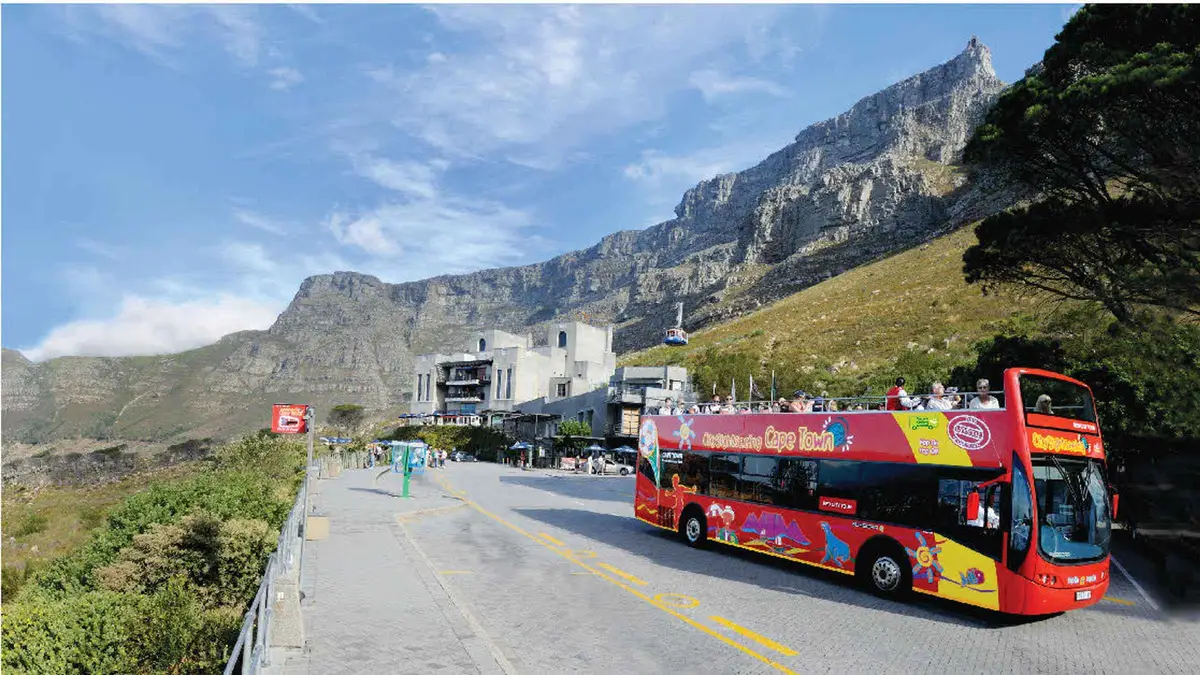
Cape Town: Hop-On Hop-Off Bus Tour with Optional Cruise
48 hours of open-top bus across the city routes with commentary in 15 languages, onboard Wi-Fi and a free walking tour. It moves you between sights — their entry fees stay separate.
Check Availability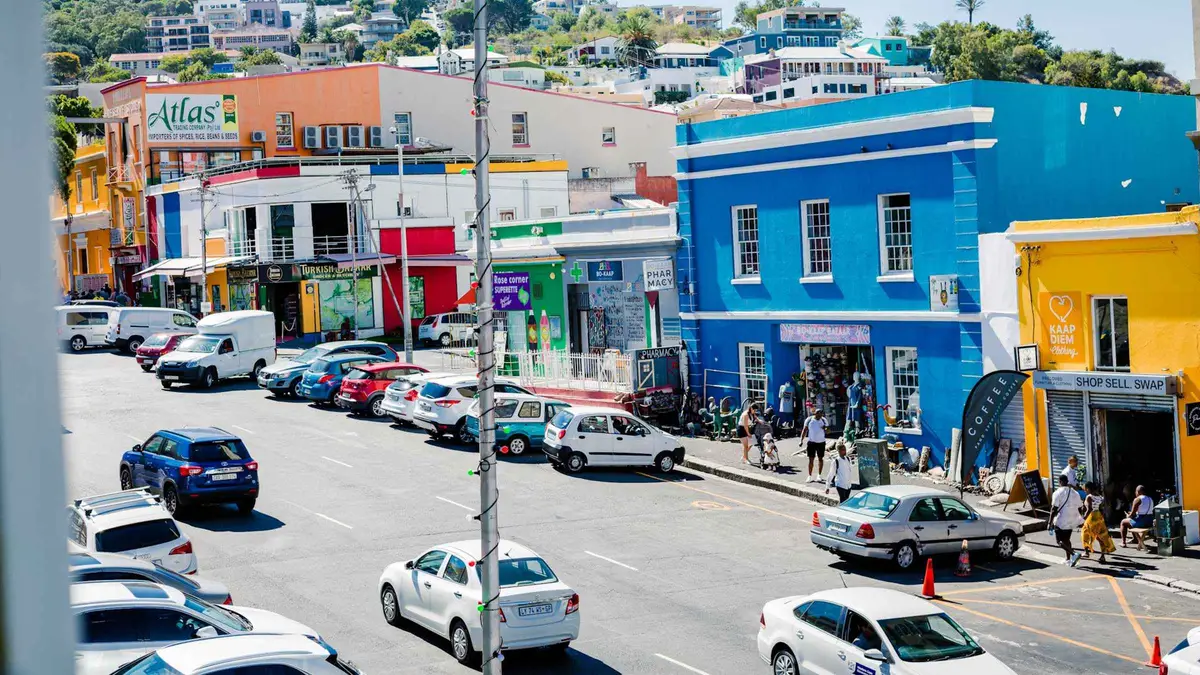 from $40.49
Cape Town Walking Tour: Bo-Kaap & City Highlights
2-hour guided walk through Bo-Kaap and the city landmarks with a snack thrown in, offered in four languages including Xhosa and Afrikaans. Entry fees to any paid sites are your own.
Check Availability from $55.45
Half-Day Tour Through Cape Town's Townships
3-4 hour township visit with pickup, entrance fees and insurance in the price — rare on this page. Some venues close at weekends, and the tour needs a minimum of two guests. Bring small change for photo donations and crafts.
Check Availability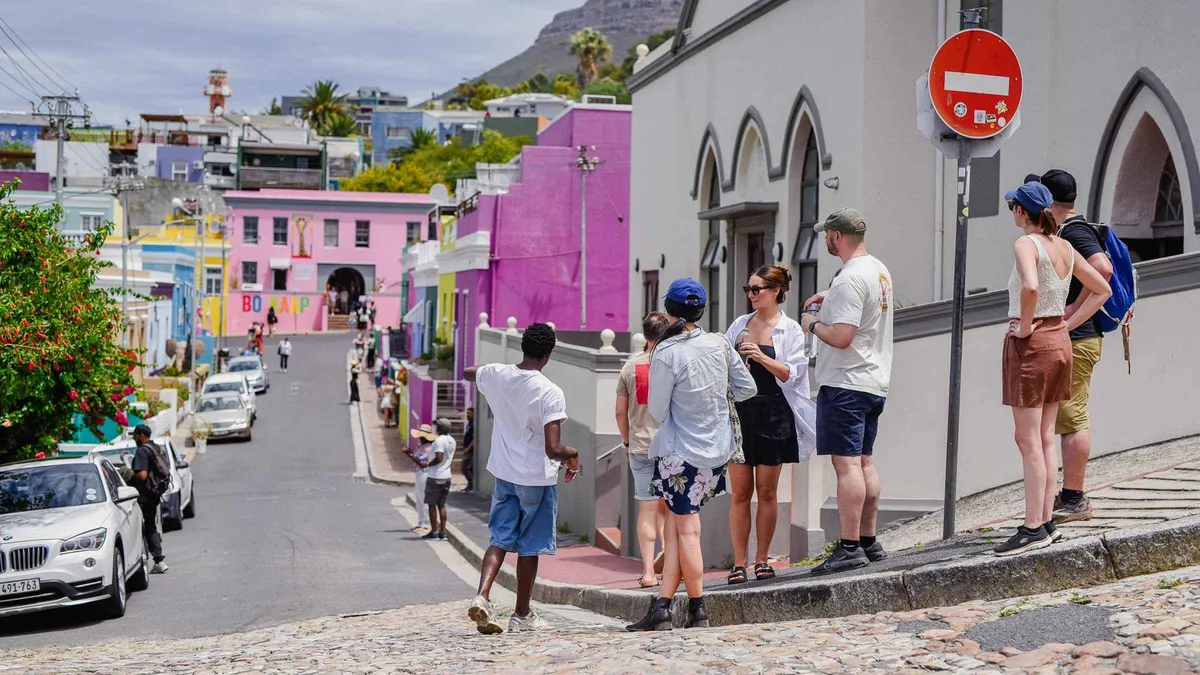 from $37.38
Cape Town: Art, Culture & History Walking Tour
Street art, history and Bo-Kaap in a 2-hour walk from the Bo-Kaap Deli — slightly cheaper than the rival walk but English-only and no snack. Wear comfortable shoes and bring water.
Check AvailabilityPrices, ratings and details are the platform's own, checked in Q3 2026; dollar figures are the listed prices — the platform bills in your account's currency.
How the city is laid out: one mountain, four zones
Every Cape Town orientation problem dissolves once you see that the city wraps a mountain range, not a river or a square. The City Bowl sits in the amphitheatre between Table Mountain, Signal Hill and Devil's Peak, opening to the harbour. The Atlantic seaboard - Green Point, Sea Point, Clifton, Camps Bay - runs down the mountain's ocean side, connected by one coastal road and one bus corridor. Behind Signal Hill's shoulder sit the two old quarters, De Waterkant and Bo-Kaap. And the southern line follows the eastern, False Bay flank of the peninsula through Observatory, Muizenberg and Kalk Bay toward the naval village of Simon's Town and Boulders Beach with its penguins.
Distances deceive in both directions: the bowl-to-seaboard hop is minutes, while the southern line is a 40-60 minute commitment each way. That asymmetry - near things very near, far things genuinely far - is the single most useful planning fact on this page, and it is why the itineraries cluster the seaboard and the bowl on shared days and give False Bay its own.
Picking your ground: the router's answer
The decision most readers bring here is really the sleeping decision, and it has a short answer: first visits base in the City Bowl for walk-to-everything or Green Point for flat convenience between harbour and beaches; beach-first holidays pay Camps Bay prices for Camps Bay sunsets; character-first travellers take De Waterkant's cottages. That is the one-sentence version of each area page's verdict.
The long version - a comparison table of who each area suits, walkability, transport and which side of the mountain sees the sunset, plus live hotel searches per area - is where to stay in Cape Town. This page stays the sightseeing router: use the table above to decide where to spend days, not just nights.
The safety question, framed like a local
"Which neighborhoods should I avoid?" is the most-searched question about Cape Town's areas, and the honest answer is that it is the wrong shape. Every area on this page is visited daily by thousands of people without incident; none of them is a place to wander empty streets at 02:00 with a camera out. The variables that matter are time, emptiness and habits, not postcode: the CBD's office grid after dark and any deserted stretch anywhere deserve the same response - be somewhere else, or be in a Bolt.
The city centre backs this with infrastructure: 317 CCID public safety officers on 24/7 deployment and a control centre on 082 415 7127, figures from the CCID read in Q3 2026. The townships are not on this page's stroll list not because visiting is wrong but because the right way to visit is guided - the resident-led Langa walk exists precisely for that. The full sourced picture, including what SANParks says about hiking groups, is on the safety page.
The southern line, and the train honesty
The False Bay side is a different day out: warmer water, older villages, and the peninsula's best cheap lunch above Kalk Bay's fishing boats. The romantic way there is the Southern Line railway, which runs along the water's edge from Muizenberg to Simon's Town - and the honest report is that it is a scenic gamble, not a timetable: weekday trains have run through to Simon's Town again since February 2026, Saturdays run a shortened shuttle, Sundays and holidays run nothing, and delays are chronic. No official fare or timetable page could be verified when we checked, so treat the train as a bonus if it aligns and plan the day by car, tour or e-hail.
Observatory, the student-bohemian suburb on the same line closer to town, is worth knowing as an eating-and-vintage stop rather than a destination; Woodstock beside it holds the Old Biscuit Mill's Saturday market. Both reward a purpose, neither needs a full page, and both are covered in passing on where to eat.
Moving between areas without a car
Three tools cover the whole map. MyCiTi buses own the bowl-and-seaboard axis: routes 106/107 loop from the Civic Centre over Kloof Nek to Camps Bay in about 41 minutes, and 108/109 run Adderley Street through Green Point and Sea Point past Clifton's coves toward Hout Bay - all on distance fares from R19.50 peak with a R40 myconnect card, timetables read in Q3 2026. The hop-on hop-off bus does the same circuit plus the mountain road with commentary, $33 for 48 hours, and is the better tool for a first orientation day. Everything else - the southern line included - is e-hail territory: Uber and Bolt both operate across the city officially.
The complete system - cards, fares, airport transfers and when the bus beats the taxi - lives on getting around Cape Town.
Where this page hands over
Where to stay
The same areas re-argued as places to sleep, with the comparison table and live hotel searches: where to stay in Cape Town.
The sleeping version of this pageThings to do
The attraction-by-attraction view of the same city, ranked and priced: things to do in Cape Town.
The sight-first versionThe itineraries
These areas assembled into day plans that respect the distances: the three-day itinerary.
The day-by-day versionCape Town areas: questions
What are the main areas of Cape Town for visitors?
Four zones cover a first visit: the City Bowl (centre and museums), the Atlantic seaboard from Green Point to the beach suburbs, the historic quarters on Signal Hill's slope, and the False Bay southern line. Each links from the table above to a full page with sourced hours and prices.
Which area of Cape Town is safest?
Safety here tracks busyness and time of day more than postcode: the seafront and park areas are busy from dawn, the centre is patrolled by 317 CCID officers around the clock, and every area's quiet streets deserve the same after-dark caution. The habits that matter - and their official sources - are on the safety page.
Are Cape Town's neighborhoods walkable between each other?
Within zones, yes: the bowl, the painted quarters and the harbour are all on foot from each other, and Green Point to Sea Point is one flat seafront stroll. Between zones, use wheels - the bus corridor covers the seaboard, and False Bay is a 40-60 minute drive.
Where do most first-time visitors base themselves?
The City Bowl or Green Point, for the same reason this page recommends them: central to everything, well served by buses and tours, with the beaches a short hop rather than a commute. The full sleeping comparison is on where to stay in Cape Town.
Can you visit the townships on your own?
The established way is guided, with residents: a Langa walking tour led by someone who lives there or a half-day vehicle tour with entrance fees included. It is a different visit from any area on this page's map, and better for being done properly.
Is the hop-on hop-off bus a good way to see the areas?
For a first orientation day, yes - the 48-hour ticket at $33 loops the bowl, the harbour, the seaboard beaches and the mountain road, which is most of this page in one seat. After that, the point-to-point buses and e-hails are cheaper per trip.
The Areas on Video
Three overviews that match this page's zones - the luxury seaboard, the visitor suburbs and the honest area-by-area rundown.
Cape Town Most Luxurious Neighborhoods
The Atlantic seaboard's suburbs filmed from the ground and the air - the geography of the beach zone.
Video: Steven NdukwuCape Town's Most Affluent Suburbs (where tourists stay)
The visitor areas in sequence, with the where-people-actually-stay framing this page uses.
Video: ON World TravelWhere should you stay in Cape Town?
An area-by-area verdict video that pairs with this page's router table.
Video: Rhett and ClaireVideos load from YouTube only when you press play.
Reviewed Q3 2026 (July–September 2026); next review Q4 2026. Prices, hours and terms are set by the venue or operator and confirmed at checkout.
We may earn a commission if you book through one of our links, at no extra cost to you. Full affiliate disclosure